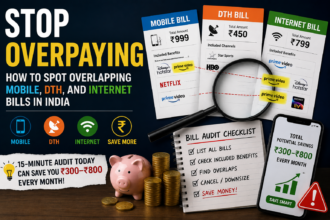

Saving money sounds simple in theory spend less than you earn and set the rest aside. Yet for most people, consistently saving money feels surprisingly difficult. No matter how much income increases, many still struggle to build an emergency fund, invest for the future, or feel financially secure. The truth is, saving money isn’t just about math; it’s deeply tied to habits, emotions, lifestyle choices, and external pressures.
In today’s world of rising costs, easy credit, and constant digital temptations, everyone faces challenges when it comes to saving money. Understanding these obstacles is the first step toward overcoming them. In this blog post, we’ll explore the top 10 challenges everyone faces in saving money and, more importantly, practical ways to overcome each one so you can take control of your finances and build lasting wealth.
1. Living Paycheck to Paycheck
One of the most common challenges in saving money is living paycheck to paycheck. When most or all of your income goes toward essentials like rent, groceries, transportation, and bills, saving can feel impossible. Even a small unexpected expense can throw your finances off balance.
How to Overcome It:
Start by tracking every rupee or dollar you spend for at least one month. This helps you identify hidden leaks in your budget—subscriptions, impulse buys, or lifestyle expenses that don’t add real value. Focus on building a small buffer first, even if it’s just 5–10% of your income. As your buffer grows, you’ll rely less on credit and create room for consistent savings. Gradually work toward increasing income through side hustles, freelancing, or skill upgrades to break the paycheck-to-paycheck cycle.
2. Lack of a Clear Savings Goal
Many people say they want to save money but don’t know exactly what they’re saving for. Without a clear purpose, saving feels abstract and easy to postpone. “I’ll save next month” often turns into “maybe later.”
How to Overcome It:
Give your savings a job. Define specific goals such as an emergency fund, vacation, home down payment, or retirement. Assign a timeline and target amount to each goal. When your savings has a clear purpose, it becomes emotionally motivating rather than restrictive. You’re no longer just “not spending” you’re actively building something meaningful for your future.
3. Rising Cost of Living
Inflation and rising costs of housing, food, healthcare, and education make saving money more challenging every year. Even people with stable incomes feel the pressure as essentials consume a larger portion of their budget.
How to Overcome It:
While you can’t control inflation, you can control how you respond to it. Regularly review and adjust your budget to reflect current costs. Look for alternatives such as buying in bulk, switching service providers, or adopting cost-saving habits at home. Focus on increasing your income alongside saving annual salary negotiations, learning in-demand skills, or building passive income streams can help you stay ahead of rising expenses.
4. Impulse Spending and Emotional Purchases
Impulse spending is one of the biggest enemies of saving money. Emotional triggers like stress, boredom, or social pressure often lead to unplanned purchases that derail savings goals. Online shopping and one-click payments make it even harder to resist temptation.
How to Overcome It:
Create a waiting period before making non-essential purchases 24 hours or even 7 days for bigger expenses. This simple rule helps separate wants from needs. Unsubscribe from promotional emails and limit exposure to ads that trigger spending. Most importantly, identify emotional patterns behind your spending. Finding healthier alternatives like exercise, journaling, or hobbies can reduce emotional shopping and help you save more naturally.
5. No Budget or Poor Budgeting Habits
Many people avoid budgeting because it feels restrictive or time-consuming. Without a budget, money decisions become reactive rather than intentional, making saving inconsistent and unreliable.
How to Overcome It:
Think of a budget as a spending plan, not a punishment. Start simple. Use the 50/30/20 rule or a basic income-minus-expenses approach. The key is consistency, not perfection. Automate savings as soon as your income arrives, so saving happens before spending. Over time, budgeting becomes a powerful tool that gives you control and confidence over your money.
6. Debt Obligations
High-interest debt, such as credit cards or personal loans, can severely limit your ability to save. Monthly repayments eat into your income and often create a cycle where saving feels impossible until the debt is gone.
How to Overcome It:
Prioritize debt repayment alongside saving. Start with an emergency fund to avoid taking on more debt, then focus on paying off high-interest balances using methods like the debt snowball or debt avalanche. As debt decreases, redirect the money you were using for repayments directly into savings. Becoming debt-free is one of the fastest ways to unlock your saving potential.
7. Lifestyle Inflation
As income increases, expenses often increase too. This phenomenon, known as lifestyle inflation, keeps people stuck at the same financial level despite earning more. New gadgets, better cars, dining out, and luxury upgrades slowly erode the ability to save.
How to Overcome It:
Instead of upgrading your lifestyle with every raise, upgrade your savings. Commit to saving at least 50% of any increase in income. Enjoy improvements in your lifestyle, but do so intentionally. Ask yourself whether an upgrade truly improves your quality of life or just adds temporary excitement. Conscious choices help you enjoy your money without sacrificing long-term security.
8. Lack of Financial Education
Many people were never taught how to manage money, save effectively, or invest wisely. Without basic financial knowledge, it’s easy to make poor decisions that hinder savings.
How to Overcome It:
Take responsibility for your financial education. Read personal finance blogs, books, and trusted online resources. Learn the basics of budgeting, compound interest, inflation, and investing. Even small improvements in financial knowledge can lead to significantly better saving habits over time. Knowledge empowers you to make smarter choices and avoid costly mistakes.
9. Social Pressure and Comparison
Social media and peer pressure can make saving money harder than ever. Seeing others travel, buy new things, or live luxurious lifestyles often creates a fear of missing out, leading to overspending.
How to Overcome It:
Remember that what you see online is often a highlight reel, not reality. Everyone’s financial journey is different. Set personal financial goals that align with your values rather than societal expectations. Surround yourself with people who respect your financial boundaries. True financial success comes from stability and peace of mind, not external validation.
10. Inconsistent Saving Habits
Many people save only when it feels convenient or when there’s extra money left at the end of the month which often doesn’t happen. Inconsistent saving makes it difficult to build momentum or reach long-term goals.
How to Overcome It:
Make saving automatic and non-negotiable. Treat savings like a fixed expense. Set up automatic transfers to your savings or investment accounts. Even small, regular contributions add up significantly over time due to compound growth. Consistency matters far more than the amount you save initially.
Final Thoughts
Saving money is not about being perfect or depriving yourself of joy. It’s about making intentional choices that align with your long-term goals. Everyone faces challenges when it comes to saving regardless of income level but those who succeed are the ones who understand these obstacles and proactively work around them.
By identifying your personal saving challenges and applying the strategies outlined above, you can gradually build healthier financial habits. Start small, stay consistent, and be patient with yourself. Over time, saving money will shift from a constant struggle to a natural part of your lifestyle bringing you greater freedom, security, and peace of mind.