
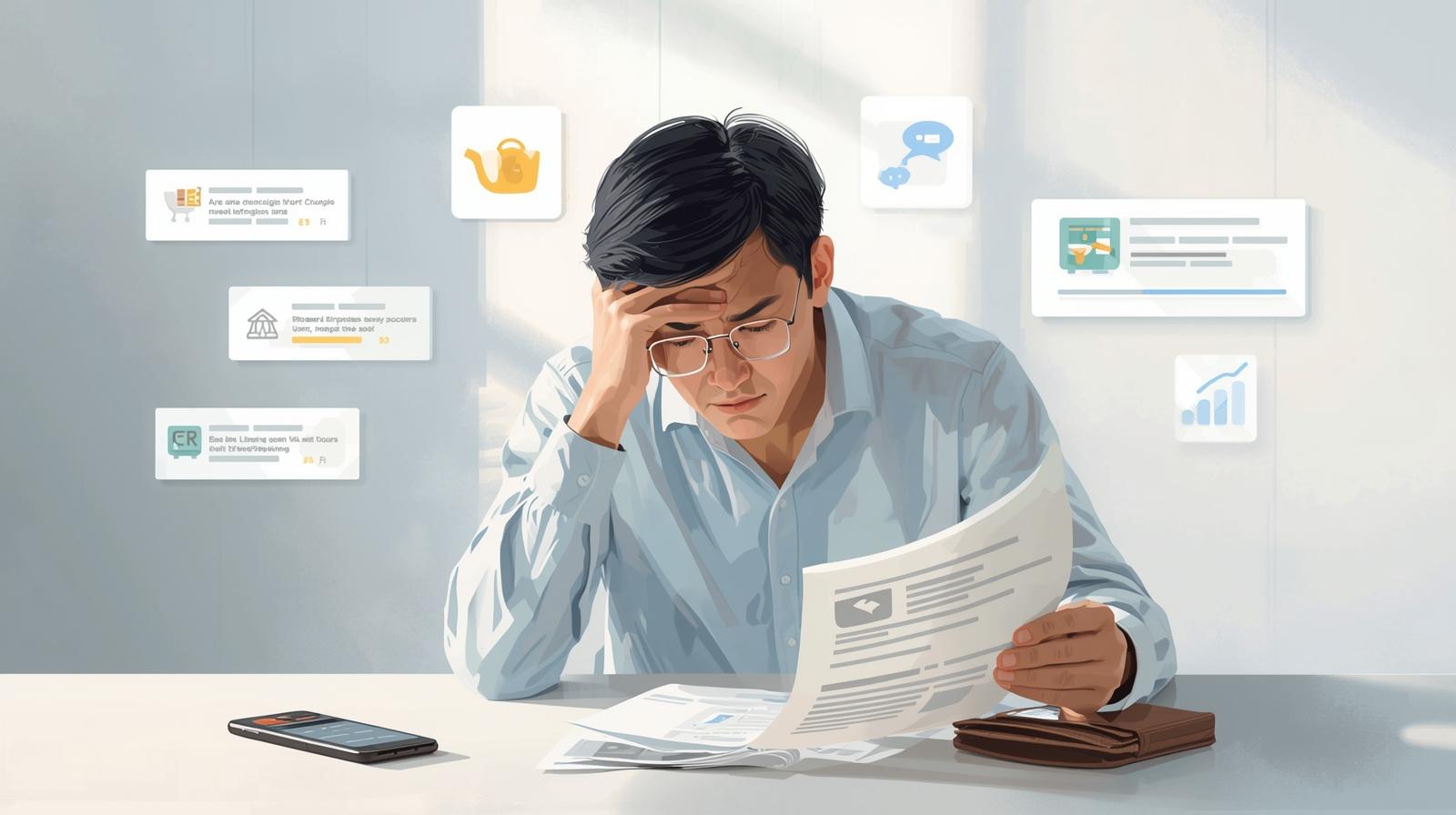
Staying broke is rarely about bad luck alone. In most cases, it’s the result of habits, beliefs, and decisions that quietly drain money over time. Many people work hard, earn a steady income, and still struggle financially. If that sounds familiar, you’re not alone. Understanding why most people stay broke is the first step toward breaking the cycle and building long-term financial stability.
This article explores the top 10 reasons most people remain broke, not to judge, but to create awareness. Once you recognize these patterns, you can begin making smarter choices that lead to wealth, security, and freedom.
1. Lack of Financial Education
One of the biggest reasons people stay broke is the simple lack of financial education. Schools teach math, science, and history, but rarely explain how to manage money, budget effectively, invest wisely, or avoid debt traps.
Most people learn about money through trial and error, family habits, or social media advice much of which is flawed. Without understanding basic concepts like compound interest, inflation, assets vs. liabilities, or risk management, people make decisions that hurt them financially.
For example, many individuals don’t realize how small expenses add up or how credit card interest can double debt over time. Without financial knowledge, people are more likely to live paycheck to paycheck, even with decent incomes.
Why it matters: Financial ignorance is expensive. Learning even basic money principles can dramatically improve your financial future.
2. Living Beyond Their Means
Another major reason people stay broke is lifestyle inflation spending more as income increases. When people earn more, they often upgrade their lifestyle instead of strengthening their finances.
This includes:
- Buying expensive gadgets
- Choosing luxury brands over value
- Upgrading cars unnecessarily
- Renting or buying homes they can barely afford
Many people appear wealthy on the outside but are drowning in debt behind the scenes. Social pressure and comparison make it worse, especially in the age of social media where success is often measured by material possessions.
The truth: Real wealth is not about how much you spend, but how much you keep and grow.
3. No Budget or Financial Plan
People who stay broke often have no clear budget or financial plan. They earn money, spend it, and hope there’s something left at the end of the month.
Without a budget:
- Expenses go unchecked
- Savings become an afterthought
- Impulse purchases increase
- Financial goals remain vague
A budget isn’t about restriction it’s about control. When you don’t track where your money goes, you lose the ability to make intentional decisions.
Many people avoid budgeting because they think it’s complicated or boring. In reality, even a simple monthly spending plan can bring clarity and confidence.
Key takeaway: If you don’t tell your money where to go, it will disappear on its own.
4. Dependence on a Single Source of Income
Relying on just one source of income is risky, yet most people do exactly that. A job may feel secure, but layoffs, medical emergencies, or economic downturns can quickly disrupt income.
People who stay broke often depend entirely on their salary and never explore additional income streams. This limits their ability to save, invest, or recover from setbacks.
Multiple income streams—such as side hustles, freelancing, investments, or online businesses—can provide stability and growth. Even small additional income can make a big difference over time.
Reality check: Wealthy people rarely rely on only one income source.
5. High-Interest Debt Traps
Debt is one of the biggest wealth destroyers, especially high-interest debt like credit cards, personal loans, and payday loans. Many people stay broke because a large portion of their income goes toward interest payments rather than wealth-building.
Common debt mistakes include:
- Minimum credit card payments
- Borrowing for depreciating assets
- Using loans to fund lifestyle expenses
- Refinancing debt without changing habits
High-interest debt creates a cycle where people borrow to survive and pay interest endlessly, leaving little room for progress.
Important insight: Not all debt is equal. Bad debt keeps you broke, while smart debt can help you grow.
6. Poor Spending Habits and Impulse Buying
Impulse buying is another silent reason most people remain broke. Small, frequent purchases may seem harmless, but they add up significantly over time.
Examples include:
- Online shopping without planning
- Frequent food delivery and dining out
- Subscription services that go unused
- Buying things for emotional comfort
Marketing, discounts, and “limited-time offers” are designed to trigger emotional spending. Without discipline, people spend money they could have saved or invested.
Poor spending habits often stem from stress, boredom, or lack of financial goals. When money has no purpose, it gets wasted easily.
Bottom line: Wealth is built by controlling spending, not just increasing income.
7. No Emergency Fund
Many people stay broke because they’re always one emergency away from financial disaster. Without an emergency fund, unexpected expenses such as medical bills, car repairs, or job loss force people into debt.
An emergency fund provides:
- Financial security
- Peace of mind
- Protection from debt
- Stability during crises
Yet, many people ignore this basic step, believing emergencies won’t happen to them. When they do, the financial setback can take years to recover from.
Simple rule: If you don’t have emergency savings, you’re financially vulnerable.
8. Fear of Investing or Taking Calculated Risks
Another reason people stay broke is fear fear of investing, fear of losing money, or fear of making mistakes. While caution is healthy, avoiding investing altogether guarantees stagnation.
Many people keep all their money in low-interest savings accounts, where inflation slowly erodes its value. Others believe investing is only for the rich or too complicated to understand.
In reality, long-term investing is one of the most effective ways to build wealth. Even small, consistent investments can grow significantly over time due to compound interest.
Truth: Not investing is also a risk one that almost guarantees staying broke.
9. Negative Money Mindset
Mindset plays a powerful role in financial success. People who stay broke often hold limiting beliefs about money, such as:
- “Money is the root of all evil”
- “Rich people are greedy”
- “I’ll never be good with money”
- “I don’t earn enough to save or invest”
These beliefs influence behavior and decision-making. When people see money as something negative or unattainable, they subconsciously sabotage their financial progress.
A healthy money mindset views wealth as a tool for freedom, security, and opportunity not guilt or fear.
Key shift: Change how you think about money, and your financial behavior will follow.
10. Lack of Long-Term Goals and Discipline
Finally, most people stay broke because they lack clear financial goals and the discipline to stick with them. Without goals, there’s no motivation to save, invest, or delay gratification.
Short-term pleasure often wins over long-term benefits:
- Spending now instead of saving
- Comfort over discipline
- Convenience over planning
Wealth is built slowly through consistent habits, patience, and discipline. There are no shortcuts. People who succeed financially commit to long-term thinking, even when progress feels slow.
Reminder: Financial success is not about intensity it’s about consistency.
Final Thoughts: Breaking the Broke Cycle
Staying broke isn’t a life sentence. It’s often the result of repeated behaviors, not lack of intelligence or effort. The good news is that behaviors can be changed.
By improving financial education, controlling spending, eliminating bad debt, building savings, investing wisely, and developing a positive money mindset, anyone can move toward financial stability and wealth.
The journey may start small tracking expenses, saving your first emergency fund, or learning about investing but those small steps compound over time.
Remember: The difference between staying broke and building wealth isn’t income alone it’s how you think, plan, and act with your money.